
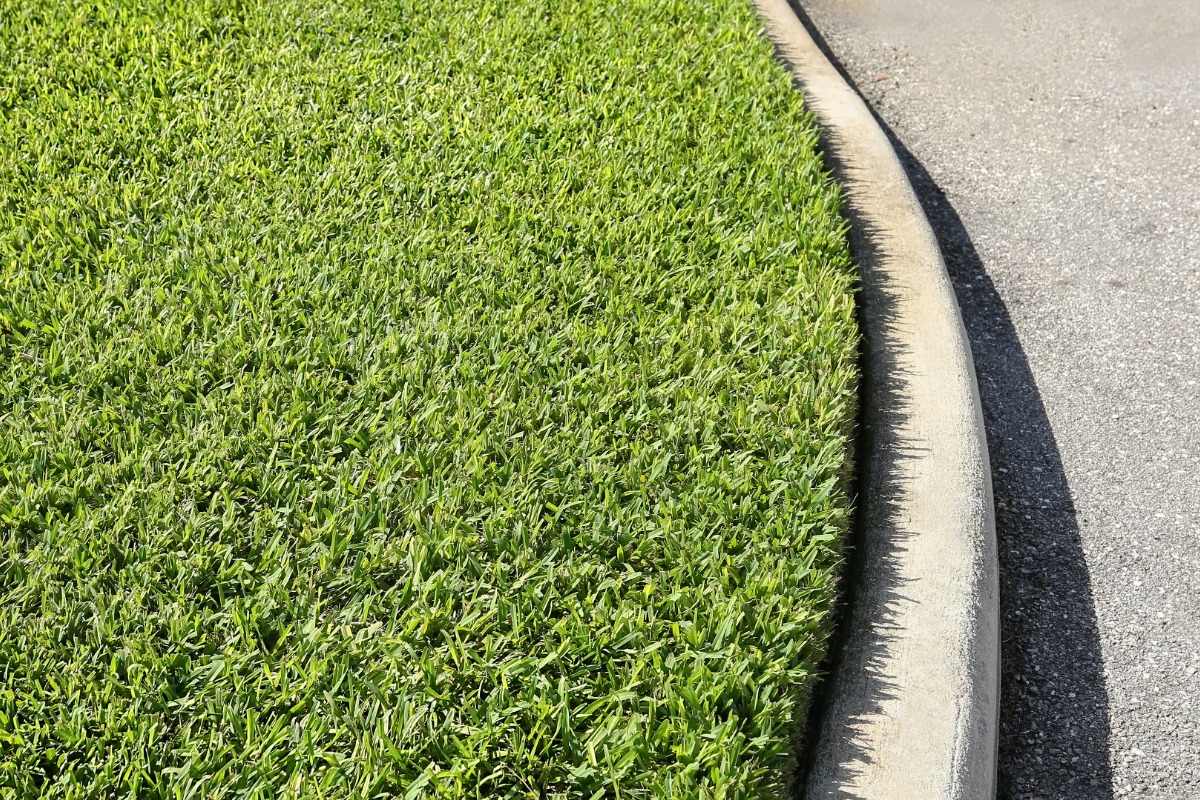
St. Augustine Grass in Melbourne, FL: A Complete Care Guide for Brevard County Homeowners
If you have a lawn in Melbourne or anywhere in Brevard County, there is a good chance you are growing St. Augustine grass. It is the most widely used lawn grass in Florida, and for good reason. When it is properly maintained, a St. Augustine lawn looks thick, lush, and deeply green — exactly what Florida homeowners expect. But keeping it that way takes the right care at the right time of year.
At Turf Masters Florida, we work with Melbourne lawns every day. This guide covers what your St. Augustine grass needs to thrive in our subtropical climate, and where things tend to go wrong.
Why St. Augustine Grass Is the Right Choice for Melbourne Lawns
St. Augustine grass is built for Florida lawns. It handles our intense summer heat, high humidity, and sandy soils better than most other grass types. It also has decent shade tolerance, which matters in neighborhoods where mature oaks and palm trees cast partial shade across yards throughout the day.
A few other reasons Melbourne homeowners love it:
- Salt tolerance — ideal for properties near the Indian River Lagoon and coastal areas
- Fast establishment when installed as sod or plugs
- Dense, carpet-like turf that naturally crowds out weeds when healthy
- Adaptability to Brevard County’s well-drained, sandy soils
According to the University of Florida’s Institute of Food and Agricultural Sciences (UF/IFAS), St. Augustine grass is the most commonly used lawn grass statewide — and it remains the go-to recommendation for central Florida lawns like those in Melbourne and the surrounding Brevard County communities.
The Most Common St. Augustine Grass Cultivars in Brevard County
Not all St. Augustine grass is the same. The most widely planted variety here is Floratam, which is coarse-textured and grows vigorously in full sun. It performs best with at least six hours of direct sunlight daily, making it a strong fit for most Melbourne front yards and open back yards.
For shadier spots, look at dwarf cultivars like Seville or Palmetto, which tolerate lower light conditions better than Floratam. Choosing the right cultivar for your yard’s specific sun exposure is one of the most important decisions you can make when installing new sod.
Mowing St. Augustine Grass: Height and Frequency
One of the most common mistakes Melbourne homeowners make is cutting their St. Augustine grass too short. Standard cultivars like Floratam should be maintained at a height of 3.5 to 4 inches. Cutting lower than that stresses the lawn, reduces root depth, and opens the door to weeds and disease.
Follow the one-third rule: never remove more than one-third of the blade height in a single mowing session. During Brevard County’s active growing season — spring through early fall — you may need to mow weekly to stay within this range. Always mow with a sharp blade. A dull mower blade tears rather than cuts, leaving grass tips frayed and vulnerable to fungal issues.
Watering Your Melbourne St. Augustine Lawn
St. Augustine grass needs about one inch of water per week to stay green and healthy. In Melbourne’s rainy summer season, natural rainfall often covers that need. During drier stretches in the spring and late fall, supplemental irrigation becomes important.
Water deeply and infrequently rather than lightly and often. Deep watering encourages roots to grow further into the soil, which improves drought resilience. If you water your lawn and the blades spring back after you walk on them, the grass is adequately hydrated. If they stay flattened, it is time to water.
Brevard County follows Florida’s year-round water conservation guidelines. Be sure your irrigation schedule complies with local restrictions, which your lawn service provider should know well.
Fertilizing St. Augustine Grass in Brevard County
St. Augustine grass is a heavy feeder during the growing season. For Melbourne lawns, plan to fertilize two to six times between spring green-up and late summer, following UF/IFAS guidelines for central Florida. A fertilizer with a higher nitrogen content supports the rich green color St. Augustine is known for.
Before fertilizing, it is worth getting a soil test to understand what your lawn actually needs. Applying the wrong balance — especially excess nitrogen — can trigger fungal disease and excessive thatch. Contact the UF/IFAS Extension Brevard County office for soil sample instructions or more resources.
Avoid fertilizing when temperatures are extreme or when the grass is drought-stressed. Late summer fertilization should be wrapped up well before the first fall cool snap.
Common St. Augustine Grass Problems in Melbourne, FL
Chinch Bugs: The southern chinch bug is the most damaging insect pest of St. Augustine grass in Florida. These small pests feed on grass in hot, sunny areas and can destroy patches of lawn quickly if left untreated. Irregular brown patches that continue to spread despite irrigation are the key warning sign. Early treatment is critical.
Brown Patch and Gray Leaf Spot: These fungal diseases are common in Melbourne’s warm, humid climate. Brown patch tends to appear in spring and fall, while gray leaf spot is most active during the summer rainy season. Both are worsened by over-fertilizing and poor drainage. Proper watering practices and appropriate fungicide treatments can keep them under control.
Thatch Buildup: Under heavy fertilization and irrigation, St. Augustine grass can develop a thick thatch layer — a mat of dead organic material between the soil surface and the green blades. Excess thatch restricts water and nutrient absorption. Dethatching in late spring helps the lawn breathe and recover for the growing season.
Best Time to Install St. Augustine Sod in Melbourne
Because Melbourne sits in central-to-south Florida, St. Augustine sod can be installed year-round. The best results come from spring and early summer installations, when the grass is entering its active growth phase and can establish quickly. Avoid planting during extreme heat or periods of drought stress without a reliable irrigation plan in place.
Let Turf Masters Florida Handle Your Melbourne Lawn
St. Augustine grass rewards consistent, knowledgeable care — and punishes neglect quickly. Whether you need routine weed control and fertilization, chinch bug treatments, or a full lawn health assessment, Turf Masters Florida is your local Melbourne lawn care expert.
We know Brevard County’s climate, soil conditions, and the seasonal patterns that affect your grass throughout the year. We take the guesswork out of St. Augustine grass care so your lawn looks its best every month of the year. Contact us today or request a free estimate to get started.