

How to Spot & Manage Chinch Bugs in Your Florida Lawn
Pests in your yard can really give you the creepy-crawlies… but they can also seriously damage the lawn you’ve worked so hard to cultivate. There are several major common lawn pests in Florida, and one major offender is the chinch bug. Chinch bugs are tiny insects — so tiny that the larva can fit on the head of a pin, and the adults on the tip of a ballpoint pen — that feast on the sap that comes from your grass blades. Here, we’ll learn more about these pesky pests and outline the steps you can take to identify them, prevent them, and rid your lawn of them for good.
How Chinch Bugs Can Impact Your Yard
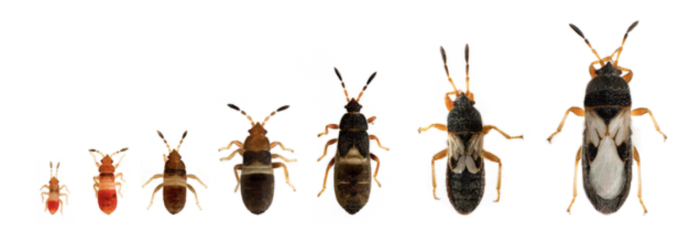
There are two types of chinch bugs in the U.S. — southern chinch bugs and hairy chinch bugs. In Florida, you’re most likely to find southern chinch bugs. These insects are brown, black, or red in color, and young ones have a band of white around their midsection, while adults have white wings.
Chinch bugs love to snack on your grass blades and suck out the sap, leaving the blades dried out and brittle. If you have a chinch bug infestation, you’ll likely notice large patches of brown, dead grass spread across your yard. They tend to attack during the hottest weather, which makes most of Florida a prime target.
Chinch bugs are attracted to areas with high nitrogen concentrations, which often include recently-fertilized lawns. They prefer warm and dry places, especially lawns with a heavy layer of thatch, as this is where they lay eggs.
Signs of Chinch Bug Infestation
You’ll need to move quickly if you spot a chinch bug invasion, as they lay eggs well before the changing seasons. It can be hard to stay ahead of them, so keep your eyes peeled for these signs:
Yellowing Patches of Grass
Dead or wilted patches of discolored grass can often be one of the first signs of chinch bugs taking over your yard. Look for patchy spots where the grass has become yellow or brown and brittle.
Spreading Damage
Chinch bugs prefer to be on the move so that the damage won’t be confined to just one spot on your lawn. If you see a brown patch pop up where there shouldn’t be one, and you then notice it grow or expand to other areas, you need to take action.
Presence of Bugs
Spotting the bugs is the surest way to know you’re dealing with chinches. Just keep in mind they are extremely small and hard to see. Getting down on the ground and looking carefully at your grass is best. Start at the dead or damaged patches and work your way out from there. You should eventually be able to see the bugs moving on the individual blades.
Soil Surface Damage
Chinch bugs are big fans of heavy thatch, as that creates a perfect breeding ground. Heavily thatched lawns keep good nutrients out of the soil and trap other nutrients (like nitrogen, which is good in specific amounts but damaging in excess). Once they know you’ve got thick thatch and high nitrogen levels, you may have a full infestation on your hands. Keep a close eye on your soil, as heavy thatch and soil compaction can be problematic.
How to Differentiate Chinch Bug Damage From Other Issues
Many other types of lawn damage can be mistaken for chinch bug damage. Brown patches can also be caused by drought stress, pet urine, or fungal diseases. Visually identifying the insects will help you know for sure if you’re dealing with chinch bugs or some other issue.
Additionally, chinch bugs are especially attracted to certain types of grass, including ryegrass, Kentucky bluegrass, bentgrass, and red fescue. If you have these types of grass in your yard and you notice other signs, like grass pulling up from the soil, damage that occurs mainly in sunny areas, greater prevalence of damage in the warmest months, and damage that looks like drought stress during times that aren’t unusually dry, you likely have chinch bugs.
4 Steps to Deal With Chinch Bugs in Your Grass
Luckily, there’s plenty you can do to keep chinch bugs from getting too comfortable on your lawn. Follow these steps to keep the pests at bay:
Step 1: Confirm the Infestation
You need to know what you’re dealing with before you can properly and effectively handle it. As mentioned, visual confirmation of the insects is best, but a trusted lawn care company can also take a look at the damage and assess whether chinch bugs are behind it. Once you’ve got that information, you’ll be ready to make a plan.
Step 2: Lawn Maintenance Practices
The good news is that basic lawn maintenance is sometimes enough to keep the chinch bugs out. Since they prefer dry areas, simply keeping your grass well-watered is one effective way to head them off. Irrigation or manual watering, especially through the warm season, will create an unpleasant and unwelcoming environment for the chinch bug. You can also mow to the recommended height for your grass type. Chinch bugs like long, untended grass, so keep to a regular mowing schedule.
Step 3: Chemical Control Options
Most insecticides will work on chinch bugs, so they can be highly effective in treating an infestation. Of course, chemical solutions can be aggressive and hard on your turfgrass, so pay careful attention to any possible fallout. Also, you’ll want to ensure that if you have pets or kids, whatever you’re applying to the lawn is safe for them.
If you aren’t looking for a chemical treatment, there are other options you can try, like applying diatomaceous earth, dish soap, or essential oils.
Step 4: Long-Term Prevention
Regular mowing and watering are the most critical steps you can take, but it will also help if you perform other lawn maintenance, like annual core aeration and dethatching. Dethatching gets rid of the chinch bugs’ breeding ground, and also paves the way for stronger, healthier grass. Aeration addresses compacted soil and helps water, air, and nutrients reach the roots. It also opens up the soil for reseeding, which is valuable when you’re ready to repair damaged patches. For these bigger jobs, it can be helpful to call in a professional.
How Pearce Lawn Care Can Help With Pest Control
Speaking of lawn care professionals, Pearce Lawn Care is here to help you with any pests that invade your lawn. We have the experience and the know-how to tackle chinch bugs and other common and unwelcome guests in Central Florida lawns. Protect your kids, your pets, and your lawn, and let Pearce Lawn Care provide you with the pest control services you need. Call us for a free quote today!